Trend
Team management
4 min read
Rédigé le
Compassionate Leadership: Protecting Your People and Maintaining Operational Flow
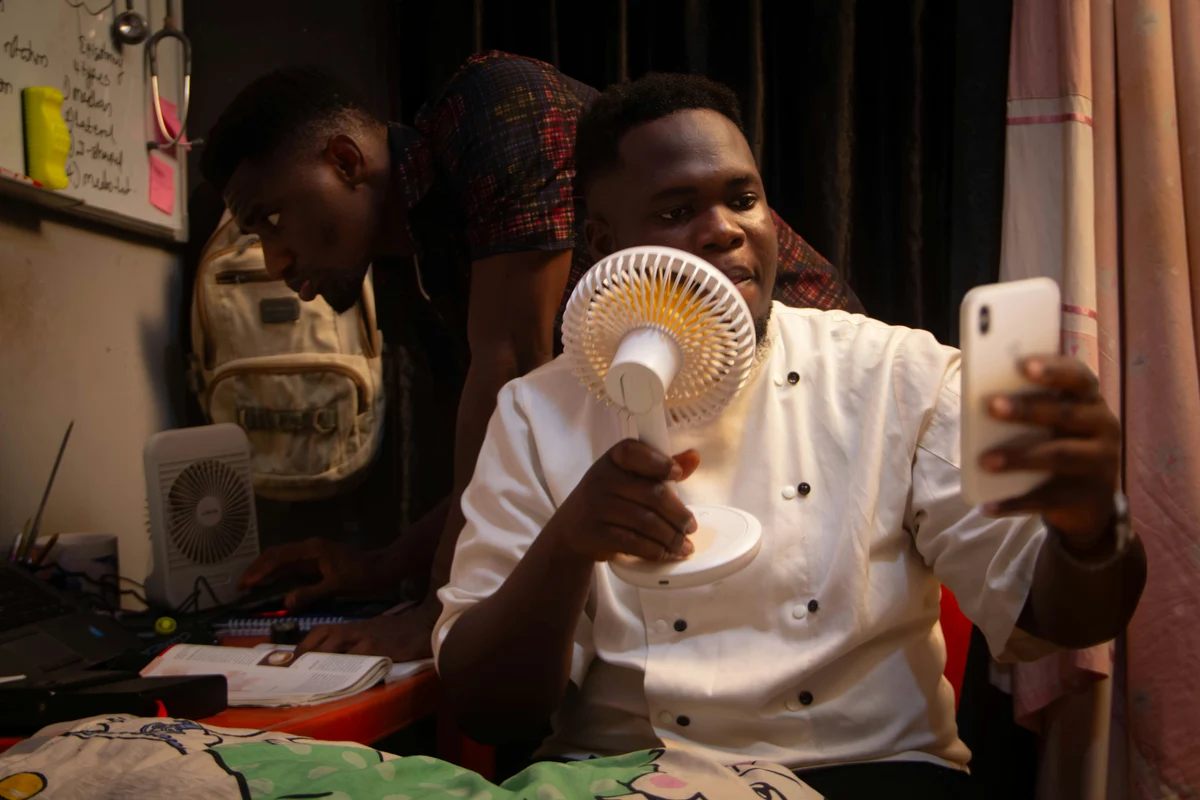
Heat in the workplace is no longer an exceptional event. It has become a predictable, recurring occupational hazard, and climate change is only increasing its intensity. Companies that still view extreme heat episodes as passing physical disruptions that can be absorbed without specific adaptations are taking a real risk. It is a health risk for their people, a legal risk for their organization, and an economic risk for their business performance.
In 2019, the International Labour Organization estimated that heat in the workplace could cost the global economy the equivalent of 80 million full-time jobs by 2030, primarily in highly exposed countries. This figure illustrates a reality we already see on the ground: when temperatures rise, concentration drops, fatigue sets in, accident risks increase, and the quality of work suffers—even among highly competent and committed team members.
In this context, the manager becomes a key player in prevention. You are more than a transmitter of safety instructions, and you are not responsible for the weather. During heatwaves, managers must exercise judgment, adapt their organization, and create conditions where teams can navigate these episodes without putting their health at risk.
The legal landscape: stronger obligations since June 2025
The decree of May 27, 2025, in effect since June 2, 2025, strengthened employer obligations regarding employee exposure to heat, both indoors and outdoors. This text fits into a broader legal framework, based on the general duty of safety that the Labor Code places on employers.
Key employer obligations
Provide cool, drinkable water in sufficient quantities: this is a minimum requirement, but it is not enough on its own.
Evaluate and reduce heat-related risks in the single occupational risk assessment document (DUERP).
Implement appropriate protection measures: cooling of premises, shifting work hours, rotating exposed workstations, and increasing break times.
Define warning and intervention procedures for risky situations, especially for particularly vulnerable employees.
Inform and train workers on heat-related risks and how to behave.
These obligations do not only apply to outdoor workers. Employees working in poorly air-conditioned offices, warehouses, industrial workshops, or poorly insulated buildings are also affected as soon as temperatures reach thresholds likely to impact their health and concentration.
Not all employees are exposed in the same way
Workers in construction, logistics, agriculture, delivery, or manufacturing face the highest risk of serious heat-related illness. But we must not limit our vigilance to these sectors. An employee in an open-plan office without effective air conditioning, a technician on a route in an uncooled vehicle, or a receptionist working in direct sunlight can also face high-risk situations that a manager must know how to identify.
The real effects of heat on health and performance
When managers understand what heat actually does to the body and concentration, they can calibrate their vigilance with precision, rather than waiting for an employee to collapse before reacting.
Physiological effects to watch for
As body temperature begins to rise, the body mobilizes significant resources to regulate itself: sweating, rapid heart rate, and vasodilation. While effective in the short term, these mechanisms are exhausting. Beyond a certain point, they are no longer enough. Dehydration sets in, cognitive functions degrade, alertness drops, and the risk of accidents increases significantly.
Heat-related illnesses range from cramps and heat exhaustion to heat stroke—the most serious form, which is a medical emergency. Progress between these stages can be rapid, particularly for employees who keep symptoms to themselves to avoid slowing down the team.
The impact on concentration and work quality
Beyond health risks, heat affects cognitive performance long before it becomes dangerous to health. Studies show that once an office workspace rises above 26 degrees Celsius (79°F), concentration begins to suffer. Above 30 degrees Celsius (86°F), errors multiply, decision-making declines, and mental fatigue sets in much faster than under normal conditions.
Maintaining the exact same goals, pace, and deadlines while ignoring these physiological effects is not just a health risk: it is counterproductive for performance. The quality of work produced under extreme heat without organizational adjustments is structurally inferior to what the same team members would produce under normal conditions.
Managers on the front line: practical steps you can take
Regulations set the framework. The manager must apply it to their team's reality, using the right level of judgment and adaptation. Here are the most practical levers at your disposal.
Anticipate before the heatwave hits
Effective prevention happens before heatwaves arrive, not during. This means defining your team's alert thresholds in advance, identifying the most exposed positions and people, securing necessary physical resources (water, fans, blinds, cooled spaces), and deciding on organizational rules that will run automatically once certain thresholds are crossed.
A manager who waits for an official heatwave alert to start thinking about team organization loses precious time. Preparation is your first line of defense.
Adapt the work structure before people wear down
Managers can use several organizational levers to reduce team coverage without stopping work. Shifting working hours to the coolest parts of the day is highly effective for outdoor teams. Reducing heavy physical labor during the hottest hours, rotating exposed workers, increasing break frequency and duration, and rescheduling non-urgent activities keep operations running while safety risks fall significantly.
For office-based teams, remote work can be an effective temporary solution when workplace temperatures become unacceptable. This is a management decision you should be empowered to make agilely, without waiting for a formal directive.
Pay attention to weak signals
You must recognize when a team member slows down, turns pale, sweats heavily, complains of headaches or dizziness, or stops sweating altogether in high heat. Active vigilance—truly observing how your team is doing rather than assuming they will speak up—is a vital managerial skill during heatwaves.
The employees most at risk are often those who hesitate to speak up. They may fear slowing down the team, appearing less resilient than colleagues, or disappointing you. When you build an environment where everyone can share difficulties without fear of judgment, you prevent situations from turning dangerous.
Allow everyone to share difficulties without fear
An employee who says they can no longer handle the heat should not be viewed as less motivated or underperforming. This view, common in high-performance cultures, is a major barrier to safety. When you normalize discussing heat-related challenges, react without judgment, and immediately adapt working conditions, you protect your people's health and strengthen team trust.
Climate change demands that we rethink work long term
Resolving workplace heat issues takes more than bottled water and two days of remote work a year. It requires a deeper look at work structures, buildings, equipment, and management practices, in a world where heatwaves will only grow more frequent and intense.
Forward-thinking companies make lasting decisions: investing in building insulation and cooling, updating remote work policies for summer, integrating climate risk into safety documentation, and training managers to handle degraded working conditions. These investments are ethical and economically sound, since the cost of prevention is consistently lower than the cost of accidents, sick leave, and litigation.
By 2050, Météo-France projects that heatwaves could hit up to three times a year with much greater intensity than we see today. Managers who learn to lead teams through extreme heat now are building a skill that will only grow more strategic.
FAQ: Common questions about management and heat in the workplace
At what temperature is an employer legally required to act?
French law does not set a maximum temperature limit that triggers an automatic work stoppage. The employer has an obligation of results regarding health and safety: they must take all steps to protect employees, regardless of the temperature. In practice, once temperatures cross 30°C (86°F) indoors or 33°C (91°F) outdoors, health risks rise sharply and adaptation measures become necessary.
Can an employee refuse to work during extreme heat?
Yes, under the right of withdrawal set by the Labor Code, when employees have a reasonable basis to believe their working conditions present a grave and imminent danger to their life or health. Extreme heat can constitute such a danger, especially for outdoor workers or those in unadapted spaces. Using this right cannot lead to penalties if the legal conditions are met.
How can a manager adjust targets without undermining performance?
By drawing a clear line between normal and exceptional periods, and being open about temporary adjustments. A manager who tells their team: "Because of the extreme temperatures this week, we are shifting priorities, rescheduling this meeting, and delaying that deliverable" shows strong, responsible leadership, not weakness. Transparency about these adjustments builds credibility and trust.
Which employees are most vulnerable to heat?
Employees over 65, pregnant women, individuals with cardiovascular or kidney conditions, those taking medications that affect thermoregulation, and workers not yet acclimated to high heat (especially early in the hot season) are most exposed. Watch particularly closely in cases of overweight individuals, employees wearing poorly ventilated personal protective equipment, or those lacking access to cool areas between physical tasks.
Can training help managers handle these situations better?
Yes, in several ways: aligning on legal requirements and risks, adopting a management posture to spot weak signals and adapt work setups, and communicating effectively with teams during challenging situations. These skills fit into a broader approach of empathetic and responsible leadership. Our training programs integrate these techniques to support a holistic view of management under difficult working conditions.
Conclusion: Protecting your teams is smart management
Addressing heat in the workplace is not just a health and safety topic. It is a clear reflection of management quality. When you anticipate, adapt, observe, and listen to create space for your team to speak up without judgment, you are showing what human-centric leadership is all about.
Building team performance over the long haul requires acknowledging people's physical limits. You achieve this by staying grounded, showing judgment in difficult conditions, and communicating clearly that protecting your people always comes before maintaining an unsustainable pace.
The management skills you build in extreme heat apply to any challenging work situation. To strengthen these capabilities across your leadership team, explore our training programs.
SOURCES
1. Decree No. 2025 of May 27, 2025 on employer obligations regarding worker protection against heat: Journal Officiel, June 2025.
2. International Labour Organization: Working on a Warmer Planet, 2019 Report
3. Météo-France: Climate Projections for France, 2050 Scenarios
4. INRS: Work and Heat, Risk Prevention
─────────────────────────────

Exceptional Management: 10 Habits That Deliver the Difference
Take action
A 30-minute conversation helps clarify what’s relevant for your teams.