
Resources & perspectives
What we observe.
What’s changing.
Articles, case studies, practical guides: everything is written by Altival trainers
and consultants. What is published here comes directly from the field.
Articles, case studies, and practical guides: everything is written by Altival facilitators and consultants.
What we publish here comes directly from the field.
All
Customer experience
Team management
Sales performance
Employee experience

Case study
Team management
Motivation and management: our firsthand experience in the field
Every week, our facilitators work on the ground with organizations of all sizes and across all industries. What they are experiencing first-hand in 2026 reveals a nuanced picture: committed yet fragile teams, managers eager to do well but lacking the right levers, and organizations sincerely seeking how to maintain performance without sacrificing their people. Here is what we see, and how we partner with our clients through our training programs to deliver real learning outcomes.
6 min
Case study
Team management
Motivation and management: our firsthand experience in the field
Every week, our facilitators work on the ground with organizations of all sizes and across all industries. What they are experiencing first-hand in 2026 reveals a nuanced picture: committed yet fragile teams, managers eager to do well but lacking the right levers, and organizations sincerely seeking how to maintain performance without sacrificing their people. Here is what we see, and how we partner with our clients through our training programs to deliver real learning outcomes.
6 min
Case study
Team management
Motivation and management: our firsthand experience in the field
Every week, our facilitators work on the ground with organizations of all sizes and across all industries. What they are experiencing first-hand in 2026 reveals a nuanced picture: committed yet fragile teams, managers eager to do well but lacking the right levers, and organizations sincerely seeking how to maintain performance without sacrificing their people. Here is what we see, and how we partner with our clients through our training programs to deliver real learning outcomes.
6 min

Practical guide
Team management
What drives motivation at work
Workplace motivation doesn't just happen, nor can it be demanded. It relies on precise mechanisms documented by organizational psychology and proven by field experience. Four fundamental equations allow every manager to understand what drives, sustains, or drains employee motivation. Mastering these equations gives you the most powerful framework to elevate collective performance.
What drives motivation at work
Practical guide
Team management
What drives motivation at work
Workplace motivation doesn't just happen, nor can it be demanded. It relies on precise mechanisms documented by organizational psychology and proven by field experience. Four fundamental equations allow every manager to understand what drives, sustains, or drains employee motivation. Mastering these equations gives you the most powerful framework to elevate collective performance.
What drives motivation at work
Practical guide
Team management
What drives motivation at work
Workplace motivation doesn't just happen, nor can it be demanded. It relies on precise mechanisms documented by organizational psychology and proven by field experience. Four fundamental equations allow every manager to understand what drives, sustains, or drains employee motivation. Mastering these equations gives you the most powerful framework to elevate collective performance.
What drives motivation at work
Trend
Team management
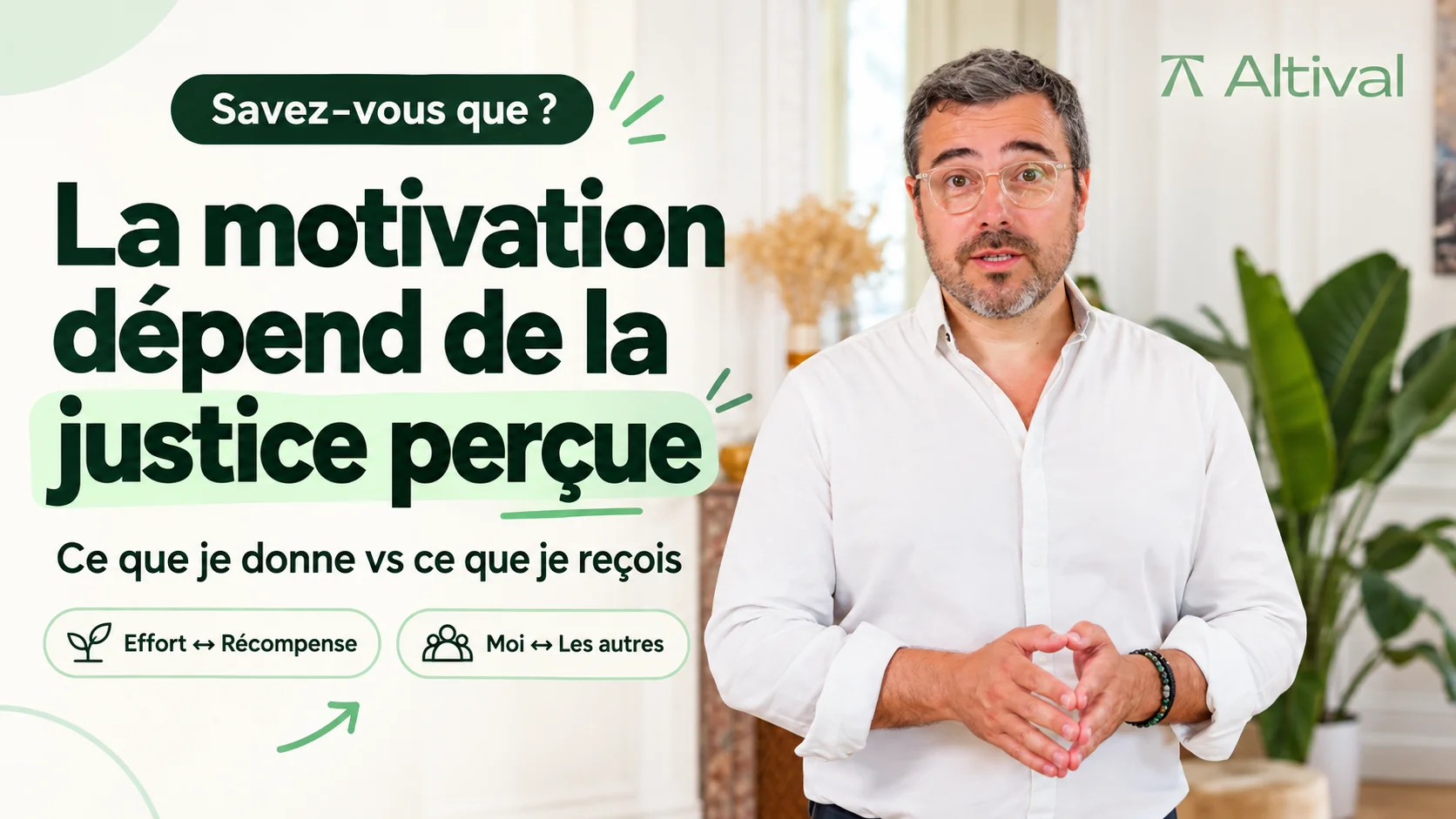
Motivation and fairness at work: the two equations every manager must understand
An employee's motivation is deeply connected to their sense of fairness. This isn't about legal justice, but perceived fairness: the often subconscious feeling that their effort is fairly rewarded compared to what they receive, and compared to what their peers receive. These two silent equations lie at the heart of every team's motivational dynamics. And managing them is a direct responsibility of the manager.
6 min
Trend
Team management
Motivation and fairness at work: the two equations every manager must understand
An employee's motivation is deeply connected to their sense of fairness. This isn't about legal justice, but perceived fairness: the often subconscious feeling that their effort is fairly rewarded compared to what they receive, and compared to what their peers receive. These two silent equations lie at the heart of every team's motivational dynamics. And managing them is a direct responsibility of the manager.
6 min
Trend
Team management
Motivation and fairness at work: the two equations every manager must understand
An employee's motivation is deeply connected to their sense of fairness. This isn't about legal justice, but perceived fairness: the often subconscious feeling that their effort is fairly rewarded compared to what they receive, and compared to what their peers receive. These two silent equations lie at the heart of every team's motivational dynamics. And managing them is a direct responsibility of the manager.
6 min

Trend
Team management
Workplace motivation is a myth. And that is actually good news for managers.
Saying your team lacks motivation is a misdiagnosis. Motivation isn't a state of being you either have or don't have. People are always motivated by or for something. Understanding this distinction radically changes your role as a manager: your job is no longer to force external energy onto your people, but to build a trust-filled environment where they can connect their own drive to their values and find a true reason to invest their experience.
5 min
Trend
Team management
Workplace motivation is a myth. And that is actually good news for managers.
Saying your team lacks motivation is a misdiagnosis. Motivation isn't a state of being you either have or don't have. People are always motivated by or for something. Understanding this distinction radically changes your role as a manager: your job is no longer to force external energy onto your people, but to build a trust-filled environment where they can connect their own drive to their values and find a true reason to invest their experience.
5 min
Trend
Team management
Workplace motivation is a myth. And that is actually good news for managers.
Saying your team lacks motivation is a misdiagnosis. Motivation isn't a state of being you either have or don't have. People are always motivated by or for something. Understanding this distinction radically changes your role as a manager: your job is no longer to force external energy onto your people, but to build a trust-filled environment where they can connect their own drive to their values and find a true reason to invest their experience.
5 min

Trend
Customer experience
Why some people naturally build trust with clients
In almost every team, you will find that one person whom clients specifically ask for—the one who turns every interaction into a moment of deep trust, earning spontaneous positive feedback. Is this an innate talent, or is it a developed skill? The answer is clear: it is a skill. And the great news is that you can identify, analyze, and pass this experience on to the rest of your people through our training programs.
5 min
Trend
Customer experience
Why some people naturally build trust with clients
In almost every team, you will find that one person whom clients specifically ask for—the one who turns every interaction into a moment of deep trust, earning spontaneous positive feedback. Is this an innate talent, or is it a developed skill? The answer is clear: it is a skill. And the great news is that you can identify, analyze, and pass this experience on to the rest of your people through our training programs.
5 min
Trend
Customer experience
Why some people naturally build trust with clients
In almost every team, you will find that one person whom clients specifically ask for—the one who turns every interaction into a moment of deep trust, earning spontaneous positive feedback. Is this an innate talent, or is it a developed skill? The answer is clear: it is a skill. And the great news is that you can identify, analyze, and pass this experience on to the rest of your people through our training programs.
5 min

Trend
Customer experience
In client relations, training programs often teach people the right words to say. We trust our facilitators to help them actually mean them, connecting their experience to their values.
Most customer relations training programs teach people what to say. Few teach them to mean what they say. Yet this is precisely where the quality of the customer experience is decided: clients always tell the difference between a professional who recites and one who embodies their values. Not always consciously. But always.
5 min
Trend
Customer experience
In client relations, training programs often teach people the right words to say. We trust our facilitators to help them actually mean them, connecting their experience to their values.
Most customer relations training programs teach people what to say. Few teach them to mean what they say. Yet this is precisely where the quality of the customer experience is decided: clients always tell the difference between a professional who recites and one who embodies their values. Not always consciously. But always.
5 min
Trend
Customer experience
In client relations, training programs often teach people the right words to say. We trust our facilitators to help them actually mean them, connecting their experience to their values.
Most customer relations training programs teach people what to say. Few teach them to mean what they say. Yet this is precisely where the quality of the customer experience is decided: clients always tell the difference between a professional who recites and one who embodies their values. Not always consciously. But always.
5 min

Case study
Customer experience
When a breakdown becomes a moment of truth: how a major brand trained its customer service for relational excellence
A broken-down scooter isn't just a faulty piece of machinery. It represents a stranded customer—often stressed, and sometimes struggling to get to work. In this high-stakes context, a major scooter brand trusted Altival to deliver training programs for its after-sales customer service team, covering both spoken and written communication. Our goal: transform every crisis contact into an experience of trust. We achieved this by helping people adopt an welcoming, empathetic, and guiding approach that makes all the difference.
5 min
Case study
Customer experience
When a breakdown becomes a moment of truth: how a major brand trained its customer service for relational excellence
A broken-down scooter isn't just a faulty piece of machinery. It represents a stranded customer—often stressed, and sometimes struggling to get to work. In this high-stakes context, a major scooter brand trusted Altival to deliver training programs for its after-sales customer service team, covering both spoken and written communication. Our goal: transform every crisis contact into an experience of trust. We achieved this by helping people adopt an welcoming, empathetic, and guiding approach that makes all the difference.
5 min
Case study
Customer experience
When a breakdown becomes a moment of truth: how a major brand trained its customer service for relational excellence
A broken-down scooter isn't just a faulty piece of machinery. It represents a stranded customer—often stressed, and sometimes struggling to get to work. In this high-stakes context, a major scooter brand trusted Altival to deliver training programs for its after-sales customer service team, covering both spoken and written communication. Our goal: transform every crisis contact into an experience of trust. We achieved this by helping people adopt an welcoming, empathetic, and guiding approach that makes all the difference.
5 min

Practical guide
Customer experience
Customer Relationship Quality: The 4 Fundamental Needs
Behind every client interaction—whether face-to-face, over the phone, or online—four fundamental needs always exist: to be welcomed, to be valued, to be guided, and to be enlightened. These four needs do not depend on the industry or the nature of the request. They are universal. Meeting or neglecting these needs is what determines whether your clients feel like a person or just a file number.
3 min
Practical guide
Customer experience
Customer Relationship Quality: The 4 Fundamental Needs
Behind every client interaction—whether face-to-face, over the phone, or online—four fundamental needs always exist: to be welcomed, to be valued, to be guided, and to be enlightened. These four needs do not depend on the industry or the nature of the request. They are universal. Meeting or neglecting these needs is what determines whether your clients feel like a person or just a file number.
3 min
Practical guide
Customer experience
Customer Relationship Quality: The 4 Fundamental Needs
Behind every client interaction—whether face-to-face, over the phone, or online—four fundamental needs always exist: to be welcomed, to be valued, to be guided, and to be enlightened. These four needs do not depend on the industry or the nature of the request. They are universal. Meeting or neglecting these needs is what determines whether your clients feel like a person or just a file number.
3 min

Case study
Customer experience
From knowing to doing: how soft skills truly elevate your work
In the companies we support, the observation is consistent: people know what to do. They have the procedures, the methods, the scripts. Yet, the quality perceived by a client or a colleague varies considerably from one person to another, from one moment to the next. Our experience on the ground confirms this: the action itself does not make the difference. It is the intention and posture behind it. This transition from knowledge to practical skill is precisely what soft skills make possible.
5 min
Case study
Customer experience
From knowing to doing: how soft skills truly elevate your work
In the companies we support, the observation is consistent: people know what to do. They have the procedures, the methods, the scripts. Yet, the quality perceived by a client or a colleague varies considerably from one person to another, from one moment to the next. Our experience on the ground confirms this: the action itself does not make the difference. It is the intention and posture behind it. This transition from knowledge to practical skill is precisely what soft skills make possible.
5 min
Case study
Customer experience
From knowing to doing: how soft skills truly elevate your work
In the companies we support, the observation is consistent: people know what to do. They have the procedures, the methods, the scripts. Yet, the quality perceived by a client or a colleague varies considerably from one person to another, from one moment to the next. Our experience on the ground confirms this: the action itself does not make the difference. It is the intention and posture behind it. This transition from knowledge to practical skill is precisely what soft skills make possible.
5 min

Trend
Can you really develop your soft skills? 7 ways to practice them every day
Yes, you can develop soft skills. But they differ from technical skills—you cannot learn them from a manual, absorb them through passive listening, or measure them with a multiple-choice test. You build them through experience, feedback, repeated real-world scenarios, observing others, structured debriefs, and deliberate daily practice. Discover seven concrete methods to truly develop these skills, both within our training programs and beyond.
5 min
Trend
Can you really develop your soft skills? 7 ways to practice them every day
Yes, you can develop soft skills. But they differ from technical skills—you cannot learn them from a manual, absorb them through passive listening, or measure them with a multiple-choice test. You build them through experience, feedback, repeated real-world scenarios, observing others, structured debriefs, and deliberate daily practice. Discover seven concrete methods to truly develop these skills, both within our training programs and beyond.
5 min
Trend
Can you really develop your soft skills? 7 ways to practice them every day
Yes, you can develop soft skills. But they differ from technical skills—you cannot learn them from a manual, absorb them through passive listening, or measure them with a multiple-choice test. You build them through experience, feedback, repeated real-world scenarios, observing others, structured debriefs, and deliberate daily practice. Discover seven concrete methods to truly develop these skills, both within our training programs and beyond.
5 min
Trend
Employee experience
Back to Work 2026: The 8 Soft Skills Becoming Essential for Your Career
The most valued soft skills in 2026 are not new, but technological acceleration, the rise of AI, and increasingly complex work environments have vastly multiplied their importance. Adaptability, emotional intelligence, communication, critical thinking, creativity, cooperation, resilience, and the capacity to learn—these eight human skills are what machines cannot replicate, and what organizations can no longer afford to ignore.
6 min
Trend
Employee experience
Back to Work 2026: The 8 Soft Skills Becoming Essential for Your Career
The most valued soft skills in 2026 are not new, but technological acceleration, the rise of AI, and increasingly complex work environments have vastly multiplied their importance. Adaptability, emotional intelligence, communication, critical thinking, creativity, cooperation, resilience, and the capacity to learn—these eight human skills are what machines cannot replicate, and what organizations can no longer afford to ignore.
6 min
Trend
Employee experience
Back to Work 2026: The 8 Soft Skills Becoming Essential for Your Career
The most valued soft skills in 2026 are not new, but technological acceleration, the rise of AI, and increasingly complex work environments have vastly multiplied their importance. Adaptability, emotional intelligence, communication, critical thinking, creativity, cooperation, resilience, and the capacity to learn—these eight human skills are what machines cannot replicate, and what organizations can no longer afford to ignore.
6 min

Trend
Employee experience
AI and soft skills: why human skills bring even more value
As artificial intelligence excels at analytical, repetitive, and information-processing tasks, the human skills that resist automation become even more valuable. Judgment, empathy, authentic communication, and moral responsibility are not merely qualities AI has yet to reach. They are fundamentally human dimensions that no algorithm can ever embody. Understanding this distinction is key to investing wisely in training programs in the age of AI.
5 min
Trend
Employee experience
AI and soft skills: why human skills bring even more value
As artificial intelligence excels at analytical, repetitive, and information-processing tasks, the human skills that resist automation become even more valuable. Judgment, empathy, authentic communication, and moral responsibility are not merely qualities AI has yet to reach. They are fundamentally human dimensions that no algorithm can ever embody. Understanding this distinction is key to investing wisely in training programs in the age of AI.
5 min
Trend
Employee experience
AI and soft skills: why human skills bring even more value
As artificial intelligence excels at analytical, repetitive, and information-processing tasks, the human skills that resist automation become even more valuable. Judgment, empathy, authentic communication, and moral responsibility are not merely qualities AI has yet to reach. They are fundamentally human dimensions that no algorithm can ever embody. Understanding this distinction is key to investing wisely in training programs in the age of AI.
5 min

Case study
Employee experience
In-person training: what participants really tell us during our sessions
In-person training delivers far more than just knowledge. What participants share in our opening rounds reveals a deeper truth: in-person sessions satisfy a human need for connection, focus, and shared experience that remote learning rarely matches. Here is what our facilitators observe on the ground, session after session, within organizations of every size.
5 min
Case study
Employee experience
In-person training: what participants really tell us during our sessions
In-person training delivers far more than just knowledge. What participants share in our opening rounds reveals a deeper truth: in-person sessions satisfy a human need for connection, focus, and shared experience that remote learning rarely matches. Here is what our facilitators observe on the ground, session after session, within organizations of every size.
5 min
Case study
Employee experience
In-person training: what participants really tell us during our sessions
In-person training delivers far more than just knowledge. What participants share in our opening rounds reveals a deeper truth: in-person sessions satisfy a human need for connection, focus, and shared experience that remote learning rarely matches. Here is what our facilitators observe on the ground, session after session, within organizations of every size.
5 min

Trend
Employee experience
Why do some training programs fail to make a difference? Explore the 8 key pitfalls and the 4 essential conditions that transform learning outcomes into real-world practice
Training programs that truly change practices rely on four non-negotiable conditions: starting with precise alignment on real needs, driving engagement through active learning with 80% practice and 20% theory, ensuring long-term impact with structured post-training follow-up like feedback sessions and individual or group coaching, and providing concise, highly practical resources for immediate on-the-job application. Without these conditions, learning outcomes fade. With them, we build lasting trust and help your people translate their values into lasting behavioral change.
6 min
Trend
Employee experience
Why do some training programs fail to make a difference? Explore the 8 key pitfalls and the 4 essential conditions that transform learning outcomes into real-world practice
Training programs that truly change practices rely on four non-negotiable conditions: starting with precise alignment on real needs, driving engagement through active learning with 80% practice and 20% theory, ensuring long-term impact with structured post-training follow-up like feedback sessions and individual or group coaching, and providing concise, highly practical resources for immediate on-the-job application. Without these conditions, learning outcomes fade. With them, we build lasting trust and help your people translate their values into lasting behavioral change.
6 min
Trend
Employee experience
Why do some training programs fail to make a difference? Explore the 8 key pitfalls and the 4 essential conditions that transform learning outcomes into real-world practice
Training programs that truly change practices rely on four non-negotiable conditions: starting with precise alignment on real needs, driving engagement through active learning with 80% practice and 20% theory, ensuring long-term impact with structured post-training follow-up like feedback sessions and individual or group coaching, and providing concise, highly practical resources for immediate on-the-job application. Without these conditions, learning outcomes fade. With them, we build lasting trust and help your people translate their values into lasting behavioral change.
6 min

Case study
Team management
Influence without authority: a service company success story
Influencing without authority: how a major service company trained its quality ambassadors to find their voice without forcing their way. How do you help employees appointed as quality ambassadors build real influence without any formal authority over their colleagues? A major service company tackled this exact challenge by partnering with Altival. The resulting training program helped participants clarify their roles, build assertiveness, manage resistance, master the DESC model, facilitate collaborative groups, and build concrete action plans. Here is how we turned lateral management theory into real-world experience. Elevate your skills. Embody your values.
6 min
Case study
Team management
Influence without authority: a service company success story
Influencing without authority: how a major service company trained its quality ambassadors to find their voice without forcing their way. How do you help employees appointed as quality ambassadors build real influence without any formal authority over their colleagues? A major service company tackled this exact challenge by partnering with Altival. The resulting training program helped participants clarify their roles, build assertiveness, manage resistance, master the DESC model, facilitate collaborative groups, and build concrete action plans. Here is how we turned lateral management theory into real-world experience. Elevate your skills. Embody your values.
6 min
Case study
Team management
Influence without authority: a service company success story
Influencing without authority: how a major service company trained its quality ambassadors to find their voice without forcing their way. How do you help employees appointed as quality ambassadors build real influence without any formal authority over their colleagues? A major service company tackled this exact challenge by partnering with Altival. The resulting training program helped participants clarify their roles, build assertiveness, manage resistance, master the DESC model, facilitate collaborative groups, and build concrete action plans. Here is how we turned lateral management theory into real-world experience. Elevate your skills. Embody your values.
6 min

Trend
Team management
Compassionate Leadership: Protecting Your People and Maintaining Operational Flow
Managers stand on the front lines during extreme heatwaves, facing the dual challenge of protecting people's health and ensuring operational continuity. Recent labor regulations demand even greater accountability: employers must now adapt schedules, ease workloads, closely monitor alert thresholds, and foster a culture of trust where team members can voice concerns without hesitation. This is where experience meets action, turning these critical safety measures into everyday management practices.
4 min read
Trend
Team management
Compassionate Leadership: Protecting Your People and Maintaining Operational Flow
Managers stand on the front lines during extreme heatwaves, facing the dual challenge of protecting people's health and ensuring operational continuity. Recent labor regulations demand even greater accountability: employers must now adapt schedules, ease workloads, closely monitor alert thresholds, and foster a culture of trust where team members can voice concerns without hesitation. This is where experience meets action, turning these critical safety measures into everyday management practices.
4 min read
Trend
Team management
Compassionate Leadership: Protecting Your People and Maintaining Operational Flow
Managers stand on the front lines during extreme heatwaves, facing the dual challenge of protecting people's health and ensuring operational continuity. Recent labor regulations demand even greater accountability: employers must now adapt schedules, ease workloads, closely monitor alert thresholds, and foster a culture of trust where team members can voice concerns without hesitation. This is where experience meets action, turning these critical safety measures into everyday management practices.
4 min read

Trend
Team management
Managing in the Age of AI: What the Machine Can't Do
In the age of artificial intelligence, managing people is not disappearing—it is shifting to what machines simply cannot do. Modern managers guide their teams with purpose, build genuine trust, and truly understand their people's needs. They exercise deep judgment in complex situations, own their decisions, resolve conflicts, and foster growth. By building psychological safety, uniting teams, and maintaining critical thinking alongside AI, they bring to life the ten human-driven skills that define tomorrow's leaders. Elevate your skills. Embody your values.
5 min
Trend
Team management
Managing in the Age of AI: What the Machine Can't Do
In the age of artificial intelligence, managing people is not disappearing—it is shifting to what machines simply cannot do. Modern managers guide their teams with purpose, build genuine trust, and truly understand their people's needs. They exercise deep judgment in complex situations, own their decisions, resolve conflicts, and foster growth. By building psychological safety, uniting teams, and maintaining critical thinking alongside AI, they bring to life the ten human-driven skills that define tomorrow's leaders. Elevate your skills. Embody your values.
5 min
Trend
Team management
Managing in the Age of AI: What the Machine Can't Do
In the age of artificial intelligence, managing people is not disappearing—it is shifting to what machines simply cannot do. Modern managers guide their teams with purpose, build genuine trust, and truly understand their people's needs. They exercise deep judgment in complex situations, own their decisions, resolve conflicts, and foster growth. By building psychological safety, uniting teams, and maintaining critical thinking alongside AI, they bring to life the ten human-driven skills that define tomorrow's leaders. Elevate your skills. Embody your values.
5 min

Practical guide
Team management
Manager of Excellence: 10 Habits That Make the Difference
An excellent manager is not defined by title or seniority, but by their daily habits. Sharing a clear vision, providing a structured framework, deeply understanding every team member, taking full ownership, setting high standards, and practicing daily feedback and coaching: these habits, practiced consistently and intentionally, are what permanently elevate a high-performing manager above a basic supervisor.
7 min
Practical guide
Team management
Manager of Excellence: 10 Habits That Make the Difference
An excellent manager is not defined by title or seniority, but by their daily habits. Sharing a clear vision, providing a structured framework, deeply understanding every team member, taking full ownership, setting high standards, and practicing daily feedback and coaching: these habits, practiced consistently and intentionally, are what permanently elevate a high-performing manager above a basic supervisor.
7 min
Practical guide
Team management
Manager of Excellence: 10 Habits That Make the Difference
An excellent manager is not defined by title or seniority, but by their daily habits. Sharing a clear vision, providing a structured framework, deeply understanding every team member, taking full ownership, setting high standards, and practicing daily feedback and coaching: these habits, practiced consistently and intentionally, are what permanently elevate a high-performing manager above a basic supervisor.
7 min

Case study
Sales performance
A solid partnership: how a century-old industrial group turned sales performance into a tailored experience
A century-old industrial group and historical leader in construction materials international-scale, trusted Altival to design a fully customized sales training program. What began as a one-time training session became, through close co-creation, a true, lasting partnership. This case shows how deep listening and customization transform a training program into a lasting relationship of trust.
5 min
Case study
Sales performance
A solid partnership: how a century-old industrial group turned sales performance into a tailored experience
A century-old industrial group and historical leader in construction materials international-scale, trusted Altival to design a fully customized sales training program. What began as a one-time training session became, through close co-creation, a true, lasting partnership. This case shows how deep listening and customization transform a training program into a lasting relationship of trust.
5 min
Case study
Sales performance
A solid partnership: how a century-old industrial group turned sales performance into a tailored experience
A century-old industrial group and historical leader in construction materials international-scale, trusted Altival to design a fully customized sales training program. What began as a one-time training session became, through close co-creation, a true, lasting partnership. This case shows how deep listening and customization transform a training program into a lasting relationship of trust.
5 min

Practical guide
Sales performance
Sales performance: the 9 essential selling principles, regardless of your sector
Sustainably improving your sales performance relies on timeless principles that outlast trends and fads. Qualify before you convince, understand the real drivers of a sale, and build trusted expertise. Prepare for every meeting, establish credibility before seeking to be heard, and sell outcomes rather than tools. Ultimately, you must demonstrate deep understanding and master the psychological mechanisms behind buying decisions. These fundamentals deliver results in any industry or market.
7 min
Practical guide
Sales performance
Sales performance: the 9 essential selling principles, regardless of your sector
Sustainably improving your sales performance relies on timeless principles that outlast trends and fads. Qualify before you convince, understand the real drivers of a sale, and build trusted expertise. Prepare for every meeting, establish credibility before seeking to be heard, and sell outcomes rather than tools. Ultimately, you must demonstrate deep understanding and master the psychological mechanisms behind buying decisions. These fundamentals deliver results in any industry or market.
7 min
Practical guide
Sales performance
Sales performance: the 9 essential selling principles, regardless of your sector
Sustainably improving your sales performance relies on timeless principles that outlast trends and fads. Qualify before you convince, understand the real drivers of a sale, and build trusted expertise. Prepare for every meeting, establish credibility before seeking to be heard, and sell outcomes rather than tools. Ultimately, you must demonstrate deep understanding and master the psychological mechanisms behind buying decisions. These fundamentals deliver results in any industry or market.
7 min

Trend
Sales performance
Selling to Challenging Clients: 3 Key Profiles and Their Proven Strategies
Selling to challenging clients first requires knowing how to recognize them. Three main profiles consistently emerge in sales: the disengaged prospect who seems indifferent, the demanding prospect who multiplies objections and comparisons, and the dominant prospect who seeks to control the conversation. Each profile calls for a specific strategy, built on active listening, structured arguments, and managing your relational posture.
8 min
Trend
Sales performance
Selling to Challenging Clients: 3 Key Profiles and Their Proven Strategies
Selling to challenging clients first requires knowing how to recognize them. Three main profiles consistently emerge in sales: the disengaged prospect who seems indifferent, the demanding prospect who multiplies objections and comparisons, and the dominant prospect who seeks to control the conversation. Each profile calls for a specific strategy, built on active listening, structured arguments, and managing your relational posture.
8 min
Trend
Sales performance
Selling to Challenging Clients: 3 Key Profiles and Their Proven Strategies
Selling to challenging clients first requires knowing how to recognize them. Three main profiles consistently emerge in sales: the disengaged prospect who seems indifferent, the demanding prospect who multiplies objections and comparisons, and the dominant prospect who seeks to control the conversation. Each profile calls for a specific strategy, built on active listening, structured arguments, and managing your relational posture.
8 min
Case study
Customer experience
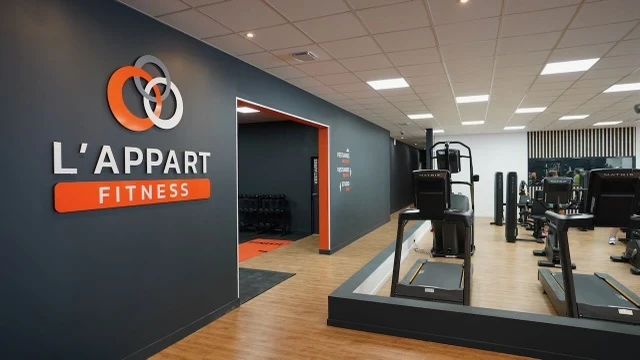
L’Appart Fitness: respecting the framework to elevate the member experience
Preventing customer incivility is about more than just reacting when conflict erupts. It begins with an exemplary posture, assertive communication, and intervening at the very first signs. The STOP method, developed by Altival, gives L’Appart Fitness teams a clear structure to realign behaviors with care, protect the collective environment, and transform every challenging interaction into an opportunity for a lasting relationship.
5 min
Case study
Customer experience
L’Appart Fitness: respecting the framework to elevate the member experience
Preventing customer incivility is about more than just reacting when conflict erupts. It begins with an exemplary posture, assertive communication, and intervening at the very first signs. The STOP method, developed by Altival, gives L’Appart Fitness teams a clear structure to realign behaviors with care, protect the collective environment, and transform every challenging interaction into an opportunity for a lasting relationship.
5 min
Case study
Customer experience
L’Appart Fitness: respecting the framework to elevate the member experience
Preventing customer incivility is about more than just reacting when conflict erupts. It begins with an exemplary posture, assertive communication, and intervening at the very first signs. The STOP method, developed by Altival, gives L’Appart Fitness teams a clear structure to realign behaviors with care, protect the collective environment, and transform every challenging interaction into an opportunity for a lasting relationship.
5 min

Case study
Employee experience
Managing Stress at Work: How a Banking Group Made Training a Priority
Managing workplace stress is no longer just a personal matter. For one French banking group, it became a shared priority built directly into their training programs: over 100 employees trained, massive and enthusiastic team participation, and a curriculum focused entirely on practical action. This experience shows how an organization can build trust and live its values by turning emotional well-being into a concrete driver of sustainable performance.
6 min
Case study
Employee experience
Managing Stress at Work: How a Banking Group Made Training a Priority
Managing workplace stress is no longer just a personal matter. For one French banking group, it became a shared priority built directly into their training programs: over 100 employees trained, massive and enthusiastic team participation, and a curriculum focused entirely on practical action. This experience shows how an organization can build trust and live its values by turning emotional well-being into a concrete driver of sustainable performance.
6 min
Case study
Employee experience
Managing Stress at Work: How a Banking Group Made Training a Priority
Managing workplace stress is no longer just a personal matter. For one French banking group, it became a shared priority built directly into their training programs: over 100 employees trained, massive and enthusiastic team participation, and a curriculum focused entirely on practical action. This experience shows how an organization can build trust and live its values by turning emotional well-being into a concrete driver of sustainable performance.
6 min

Practical guide
Employee experience
Stress Management at Work: 7 Simple and Effective Practices to Experience Starting Today
Managing stress at work doesn't require you to rebuild your daily routine. It relies on simple, quick practices you can use right at your desk or during a break. We focus on cardiac coherence, NLP-based positive anchoring, box breathing from sophrology, mindfulness, safe-place visualization, timeline recentering, and emotional identification. You will gain seven concrete tools, built on proven approaches, to reclaim control of your inner state without ever leaving your workspace.
5 min
Practical guide
Employee experience
Stress Management at Work: 7 Simple and Effective Practices to Experience Starting Today
Managing stress at work doesn't require you to rebuild your daily routine. It relies on simple, quick practices you can use right at your desk or during a break. We focus on cardiac coherence, NLP-based positive anchoring, box breathing from sophrology, mindfulness, safe-place visualization, timeline recentering, and emotional identification. You will gain seven concrete tools, built on proven approaches, to reclaim control of your inner state without ever leaving your workspace.
5 min
Practical guide
Employee experience
Stress Management at Work: 7 Simple and Effective Practices to Experience Starting Today
Managing stress at work doesn't require you to rebuild your daily routine. It relies on simple, quick practices you can use right at your desk or during a break. We focus on cardiac coherence, NLP-based positive anchoring, box breathing from sophrology, mindfulness, safe-place visualization, timeline recentering, and emotional identification. You will gain seven concrete tools, built on proven approaches, to reclaim control of your inner state without ever leaving your workspace.
5 min

Case study
Team management
Guiding corporate change: when quality becomes a living culture
How do you drive large-scale organizational change within a global institution, especially with an objective as demanding as making quality a shared culture? A major international financial institution answered this challenge with an ambitious approach: a network of hundreds of internal facilitators, trained and deployed across all group entities. It is a textbook case of people-driven change management.
5 min
Case study
Team management
Guiding corporate change: when quality becomes a living culture
How do you drive large-scale organizational change within a global institution, especially with an objective as demanding as making quality a shared culture? A major international financial institution answered this challenge with an ambitious approach: a network of hundreds of internal facilitators, trained and deployed across all group entities. It is a textbook case of people-driven change management.
5 min
Case study
Team management
Guiding corporate change: when quality becomes a living culture
How do you drive large-scale organizational change within a global institution, especially with an objective as demanding as making quality a shared culture? A major international financial institution answered this challenge with an ambitious approach: a network of hundreds of internal facilitators, trained and deployed across all group entities. It is a textbook case of people-driven change management.
5 min

Trend
Sales performance
Successful Negotiation: The 4 Steps of the Harvard Method for Lasting Agreements
Successful negotiation is not about winning or splitting the difference 50/50. Based on the Harvard method developed by Roger Fisher and William Ury in Getting to Yes, true success lies in finding a solution that satisfies the interests of both parties. Trust this proven approach built on four clear steps: separate the people from the problem, focus on interests rather than positions, use objective criteria, and create options for mutual gain.
6 min
Trend
Sales performance
Successful Negotiation: The 4 Steps of the Harvard Method for Lasting Agreements
Successful negotiation is not about winning or splitting the difference 50/50. Based on the Harvard method developed by Roger Fisher and William Ury in Getting to Yes, true success lies in finding a solution that satisfies the interests of both parties. Trust this proven approach built on four clear steps: separate the people from the problem, focus on interests rather than positions, use objective criteria, and create options for mutual gain.
6 min
Trend
Sales performance
Successful Negotiation: The 4 Steps of the Harvard Method for Lasting Agreements
Successful negotiation is not about winning or splitting the difference 50/50. Based on the Harvard method developed by Roger Fisher and William Ury in Getting to Yes, true success lies in finding a solution that satisfies the interests of both parties. Trust this proven approach built on four clear steps: separate the people from the problem, focus on interests rather than positions, use objective criteria, and create options for mutual gain.
6 min
Practical guide
Team management
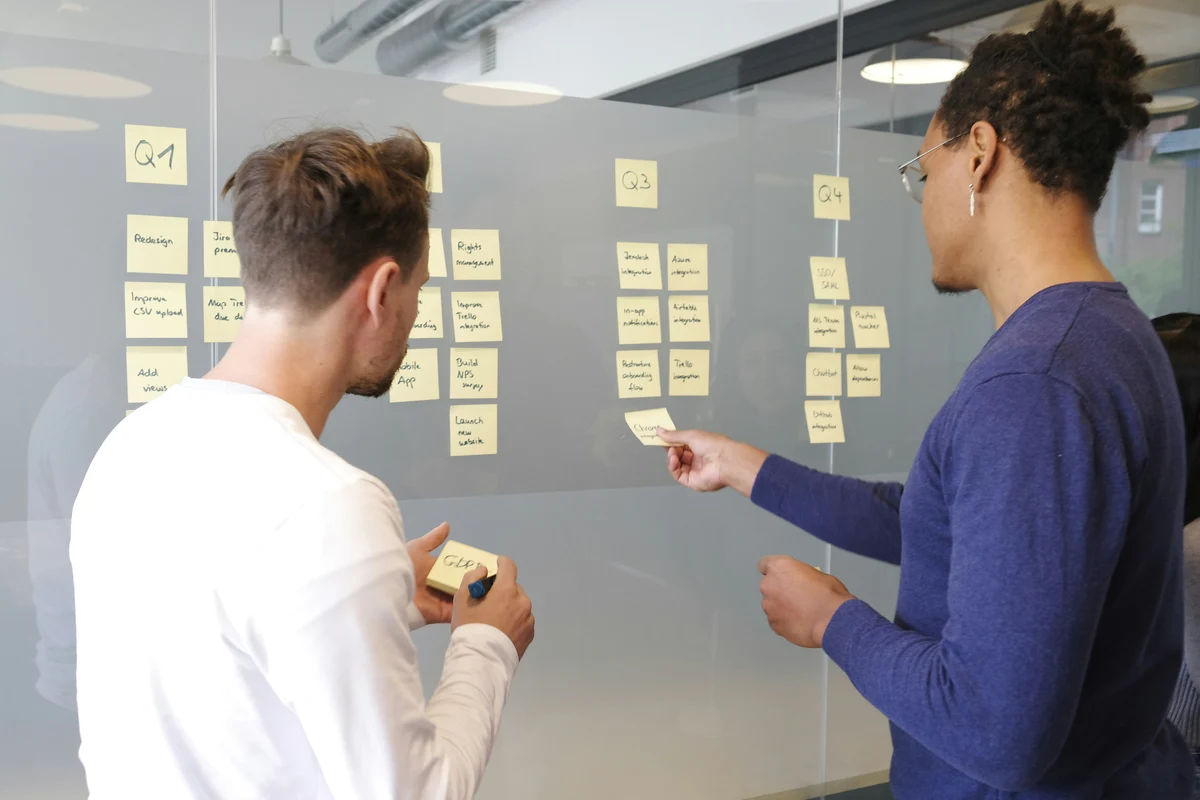
Leading organizational change: 8 best practices to drive successful transformation and overcome resistance
Guiding corporate change effectively relies on eight fundamental practices: diagnose before acting, create a legitimate sense of urgency, build a strong coalition, create and share a clear vision, involve people in co-creation, communicate transparently and repeatedly, provide training programs for new skills and mindsets, and secure long-term adoption. Drawn from proven change models and the real-world experiences of 2026, these practices provide a practical foundation for driving sustainable transformation, helping your people experience progress guided by your values.
5 min
Practical guide
Team management
Leading organizational change: 8 best practices to drive successful transformation and overcome resistance
Guiding corporate change effectively relies on eight fundamental practices: diagnose before acting, create a legitimate sense of urgency, build a strong coalition, create and share a clear vision, involve people in co-creation, communicate transparently and repeatedly, provide training programs for new skills and mindsets, and secure long-term adoption. Drawn from proven change models and the real-world experiences of 2026, these practices provide a practical foundation for driving sustainable transformation, helping your people experience progress guided by your values.
5 min
Practical guide
Team management
Leading organizational change: 8 best practices to drive successful transformation and overcome resistance
Guiding corporate change effectively relies on eight fundamental practices: diagnose before acting, create a legitimate sense of urgency, build a strong coalition, create and share a clear vision, involve people in co-creation, communicate transparently and repeatedly, provide training programs for new skills and mindsets, and secure long-term adoption. Drawn from proven change models and the real-world experiences of 2026, these practices provide a practical foundation for driving sustainable transformation, helping your people experience progress guided by your values.
5 min
Trend
Team management
Change management models: what Lewin, Kotter, and Kanter still teach us today
The three foundational change management models are Kurt Lewin’s three-stage theory (unfreeze, change, refreeze), John Kotter’s 8-step process, and Rosabeth Moss Kanter’s ten commandments. Each model provides a complementary lens for your learning outcomes: Lewin focuses on psychological and collective dynamics, Kotter delivers on operational execution, and Kanter defines the organizational conditions for success. Together, they build a lasting foundation of trust and experience, helping your people design and lead today's most vital transformations.
8 min
Trend
Team management
Change management models: what Lewin, Kotter, and Kanter still teach us today
The three foundational change management models are Kurt Lewin’s three-stage theory (unfreeze, change, refreeze), John Kotter’s 8-step process, and Rosabeth Moss Kanter’s ten commandments. Each model provides a complementary lens for your learning outcomes: Lewin focuses on psychological and collective dynamics, Kotter delivers on operational execution, and Kanter defines the organizational conditions for success. Together, they build a lasting foundation of trust and experience, helping your people design and lead today's most vital transformations.
8 min
Trend
Team management
Change management models: what Lewin, Kotter, and Kanter still teach us today
The three foundational change management models are Kurt Lewin’s three-stage theory (unfreeze, change, refreeze), John Kotter’s 8-step process, and Rosabeth Moss Kanter’s ten commandments. Each model provides a complementary lens for your learning outcomes: Lewin focuses on psychological and collective dynamics, Kotter delivers on operational execution, and Kanter defines the organizational conditions for success. Together, they build a lasting foundation of trust and experience, helping your people design and lead today's most vital transformations.
8 min

Trend
Team management
Change management in 2026: master the new drivers in the era of AI and automation
By 2026, change management looks nothing like it used to. Generative AI, accelerated automation, and the rapid reshaping of jobs have deeply transformed the nature of resistance to change. The fear of obsolescence, a lost sense of identity, and information overload are now the primary barriers to transformation. Successful organizations no longer just communicate change well; they are the ones that best support people through it.
10 min
Trend
Team management
Change management in 2026: master the new drivers in the era of AI and automation
By 2026, change management looks nothing like it used to. Generative AI, accelerated automation, and the rapid reshaping of jobs have deeply transformed the nature of resistance to change. The fear of obsolescence, a lost sense of identity, and information overload are now the primary barriers to transformation. Successful organizations no longer just communicate change well; they are the ones that best support people through it.
10 min
Trend
Team management
Change management in 2026: master the new drivers in the era of AI and automation
By 2026, change management looks nothing like it used to. Generative AI, accelerated automation, and the rapid reshaping of jobs have deeply transformed the nature of resistance to change. The fear of obsolescence, a lost sense of identity, and information overload are now the primary barriers to transformation. Successful organizations no longer just communicate change well; they are the ones that best support people through it.
10 min

Case study
Customer experience
Customer complaints: how SNCF transformed its teams’ writing quality
Through its RCAD service, SNCF worked with Altival to roll out a training program on written responses to customer complaints. The result: up to 40% time saved in handling correspondence, more consistent writing quality across all teams, and a partnership that has lasted for several years. Here’s how. Responding effectively and in writing to a customer complaint is one of the most strategic skills in a customer relations service. It is also one of the least supported. Most teams draft their responses by instinct, without a shared method, which leads to uneven results, weakens the company’s image, and unnecessarily extends handling times. That is exactly the challenge SNCF set out to address through its RCAD service, choosing Altival to train its remote customer relations teams. A collaboration that perfectly reflects, in our view, what truly sustainable training looks like.
6 min
Case study
Customer experience
Customer complaints: how SNCF transformed its teams’ writing quality
Through its RCAD service, SNCF worked with Altival to roll out a training program on written responses to customer complaints. The result: up to 40% time saved in handling correspondence, more consistent writing quality across all teams, and a partnership that has lasted for several years. Here’s how. Responding effectively and in writing to a customer complaint is one of the most strategic skills in a customer relations service. It is also one of the least supported. Most teams draft their responses by instinct, without a shared method, which leads to uneven results, weakens the company’s image, and unnecessarily extends handling times. That is exactly the challenge SNCF set out to address through its RCAD service, choosing Altival to train its remote customer relations teams. A collaboration that perfectly reflects, in our view, what truly sustainable training looks like.
6 min
Case study
Customer experience
Customer complaints: how SNCF transformed its teams’ writing quality
Through its RCAD service, SNCF worked with Altival to roll out a training program on written responses to customer complaints. The result: up to 40% time saved in handling correspondence, more consistent writing quality across all teams, and a partnership that has lasted for several years. Here’s how. Responding effectively and in writing to a customer complaint is one of the most strategic skills in a customer relations service. It is also one of the least supported. Most teams draft their responses by instinct, without a shared method, which leads to uneven results, weakens the company’s image, and unnecessarily extends handling times. That is exactly the challenge SNCF set out to address through its RCAD service, choosing Altival to train its remote customer relations teams. A collaboration that perfectly reflects, in our view, what truly sustainable training looks like.
6 min

Practical guide
Customer experience
Responding to a complaint in writing: the 5-step method
Responding effectively to a complaint in writing relies on five steps: restating the three dimensions of the customer’s request — how they feel, their situation, and what they want — showing empathy, offering a clear solution before any explanation, giving personalized advice, and closing with care. This structure turns every written response into a strong relationship-building act, even when the decision is negative. At Altival, we train teams in a structured five-step method designed to make every written response as clear, fair, and human as possible. Here is the method in detail.
8 min
Practical guide
Customer experience
Responding to a complaint in writing: the 5-step method
Responding effectively to a complaint in writing relies on five steps: restating the three dimensions of the customer’s request — how they feel, their situation, and what they want — showing empathy, offering a clear solution before any explanation, giving personalized advice, and closing with care. This structure turns every written response into a strong relationship-building act, even when the decision is negative. At Altival, we train teams in a structured five-step method designed to make every written response as clear, fair, and human as possible. Here is the method in detail.
8 min
Practical guide
Customer experience
Responding to a complaint in writing: the 5-step method
Responding effectively to a complaint in writing relies on five steps: restating the three dimensions of the customer’s request — how they feel, their situation, and what they want — showing empathy, offering a clear solution before any explanation, giving personalized advice, and closing with care. This structure turns every written response into a strong relationship-building act, even when the decision is negative. At Altival, we train teams in a structured five-step method designed to make every written response as clear, fair, and human as possible. Here is the method in detail.
8 min

Trend
Customer experience
Customer complaints: an opportunity not to miss: 9 positive impacts of effective handling
A well handled customer complaint generates 9 measurable positive impacts: increased satisfaction, stronger loyalty, a more valued brand image, competitive differentiation, restored trust, detection of issues, continuous improvement, stronger teams, and customer advocates. Every complaint is a hidden opportunity—if you know how to seize it. In most companies, a customer complaint is seen as a problem to fix as quickly as possible, or even as a threat. It is handled defensively, people try to limit the damage, and then they move on. In doing so, they miss what matters most. Because a well handled complaint is not a cost. It is an investment. According to the Institute of Quality and Management (IQM, 2022), 68% of customers whose complaint was handled well become more loyal than customers who have never experienced a problem. This phenomenon, which marketing researchers call the “service recovery paradox,” is one of the most powerful and least used levers for building loyalty. Here are the 9 concrete positive impacts generated by a well handled customer complaint. For each one, we explain why it happens and how to make the most of it.
7 min
Trend
Customer experience
Customer complaints: an opportunity not to miss: 9 positive impacts of effective handling
A well handled customer complaint generates 9 measurable positive impacts: increased satisfaction, stronger loyalty, a more valued brand image, competitive differentiation, restored trust, detection of issues, continuous improvement, stronger teams, and customer advocates. Every complaint is a hidden opportunity—if you know how to seize it. In most companies, a customer complaint is seen as a problem to fix as quickly as possible, or even as a threat. It is handled defensively, people try to limit the damage, and then they move on. In doing so, they miss what matters most. Because a well handled complaint is not a cost. It is an investment. According to the Institute of Quality and Management (IQM, 2022), 68% of customers whose complaint was handled well become more loyal than customers who have never experienced a problem. This phenomenon, which marketing researchers call the “service recovery paradox,” is one of the most powerful and least used levers for building loyalty. Here are the 9 concrete positive impacts generated by a well handled customer complaint. For each one, we explain why it happens and how to make the most of it.
7 min
Trend
Customer experience
Customer complaints: an opportunity not to miss: 9 positive impacts of effective handling
A well handled customer complaint generates 9 measurable positive impacts: increased satisfaction, stronger loyalty, a more valued brand image, competitive differentiation, restored trust, detection of issues, continuous improvement, stronger teams, and customer advocates. Every complaint is a hidden opportunity—if you know how to seize it. In most companies, a customer complaint is seen as a problem to fix as quickly as possible, or even as a threat. It is handled defensively, people try to limit the damage, and then they move on. In doing so, they miss what matters most. Because a well handled complaint is not a cost. It is an investment. According to the Institute of Quality and Management (IQM, 2022), 68% of customers whose complaint was handled well become more loyal than customers who have never experienced a problem. This phenomenon, which marketing researchers call the “service recovery paradox,” is one of the most powerful and least used levers for building loyalty. Here are the 9 concrete positive impacts generated by a well handled customer complaint. For each one, we explain why it happens and how to make the most of it.
7 min

Trend
Employee experience
Relational burnout: understand, prevent, and support your teams
Relational burnout is a state of emotional exhaustion that specifically affects professionals who interact with the public daily. Rather than a personal weakness, it stems from a chronic imbalance between the relational energy you invest and what you receive in return. To prevent it, we focus on five key learning outcomes in our training programs: managing dissatisfaction, protecting against incivilities, refocusing on meaning, regulating relational stress, and developing emotional intelligence.
6 min
Trend
Employee experience
Relational burnout: understand, prevent, and support your teams
Relational burnout is a state of emotional exhaustion that specifically affects professionals who interact with the public daily. Rather than a personal weakness, it stems from a chronic imbalance between the relational energy you invest and what you receive in return. To prevent it, we focus on five key learning outcomes in our training programs: managing dissatisfaction, protecting against incivilities, refocusing on meaning, regulating relational stress, and developing emotional intelligence.
6 min
Trend
Employee experience
Relational burnout: understand, prevent, and support your teams
Relational burnout is a state of emotional exhaustion that specifically affects professionals who interact with the public daily. Rather than a personal weakness, it stems from a chronic imbalance between the relational energy you invest and what you receive in return. To prevent it, we focus on five key learning outcomes in our training programs: managing dissatisfaction, protecting against incivilities, refocusing on meaning, regulating relational stress, and developing emotional intelligence.
6 min

Trend
Customer experience
Customer complaint management: understand to respond more effectively
Customer complaint handling: what every complaint really reveals. Effective customer complaint handling goes beyond following a procedure. Every complaint expresses a sense of unfairness, implicit values, or a need for recognition. Identifying these human dimensions helps turn a complaint into a lasting loyalty opportunity. In customer relationships, complaints are inevitable. But treating them only as irritants to solve quickly means missing their real value. According to a study by the Institut Qualité et Management (IQM, 2022), 68% of customers whose complaints are handled well become more loyal than customers who never had a problem. Handled well, a complaint becomes a trust accelerator. Still, we have to understand what lies behind each complaint. A complaint is never just what it says on the surface. It is a window into the lived experience, the customer's values, their need for recognition, and sometimes the tension between what they expected and what the company actually delivered. At Altival, we train teams in this subtle craft: reading between the lines of a complaint so they can respond with accuracy, method, and humanity.
8 min
Trend
Customer experience
Customer complaint management: understand to respond more effectively
Customer complaint handling: what every complaint really reveals. Effective customer complaint handling goes beyond following a procedure. Every complaint expresses a sense of unfairness, implicit values, or a need for recognition. Identifying these human dimensions helps turn a complaint into a lasting loyalty opportunity. In customer relationships, complaints are inevitable. But treating them only as irritants to solve quickly means missing their real value. According to a study by the Institut Qualité et Management (IQM, 2022), 68% of customers whose complaints are handled well become more loyal than customers who never had a problem. Handled well, a complaint becomes a trust accelerator. Still, we have to understand what lies behind each complaint. A complaint is never just what it says on the surface. It is a window into the lived experience, the customer's values, their need for recognition, and sometimes the tension between what they expected and what the company actually delivered. At Altival, we train teams in this subtle craft: reading between the lines of a complaint so they can respond with accuracy, method, and humanity.
8 min
Trend
Customer experience
Customer complaint management: understand to respond more effectively
Customer complaint handling: what every complaint really reveals. Effective customer complaint handling goes beyond following a procedure. Every complaint expresses a sense of unfairness, implicit values, or a need for recognition. Identifying these human dimensions helps turn a complaint into a lasting loyalty opportunity. In customer relationships, complaints are inevitable. But treating them only as irritants to solve quickly means missing their real value. According to a study by the Institut Qualité et Management (IQM, 2022), 68% of customers whose complaints are handled well become more loyal than customers who never had a problem. Handled well, a complaint becomes a trust accelerator. Still, we have to understand what lies behind each complaint. A complaint is never just what it says on the surface. It is a window into the lived experience, the customer's values, their need for recognition, and sometimes the tension between what they expected and what the company actually delivered. At Altival, we train teams in this subtle craft: reading between the lines of a complaint so they can respond with accuracy, method, and humanity.
8 min

Practical guide
Customer experience
How do you de-escalate incivility?
Managing an aggressive customer: the 6 steps to defuse incivility methodically To handle an aggressive customer effectively, six steps structure the de-escalation process: stay calm, show understanding, express how you feel, state what you expect, get confirmation that the conversation is returning to the agreed framework, and, if necessary, end the exchange professionally. This method, taught at Altival, helps restore respectful dialogue without confrontation. When faced with a customer who gets angry, raises their voice, or makes disrespectful remarks, most professionals feel the same thing: a mix of stress, frustration, and helplessness. The instinctive response—replying in kind, defending yourself, or, on the contrary, staying silent and putting up with it—almost always makes the situation worse. According to INRS (the French National Research and Safety Institute), tense situations with the public are among the main psychosocial risk factors at work. And according to the 2023 BVA barometer, 44% of employees who deal with the public experienced at least one incident of incivility during the year. The issue is widespread, and teams are rarely equipped to deal with it. That is exactly the purpose of our Altival training programs: to give professionals a clear method, tested in real-life situations, for handling an aggressive customer without losing their footing. Here are the 6 steps we teach.
8 min
Practical guide
Customer experience
How do you de-escalate incivility?
Managing an aggressive customer: the 6 steps to defuse incivility methodically To handle an aggressive customer effectively, six steps structure the de-escalation process: stay calm, show understanding, express how you feel, state what you expect, get confirmation that the conversation is returning to the agreed framework, and, if necessary, end the exchange professionally. This method, taught at Altival, helps restore respectful dialogue without confrontation. When faced with a customer who gets angry, raises their voice, or makes disrespectful remarks, most professionals feel the same thing: a mix of stress, frustration, and helplessness. The instinctive response—replying in kind, defending yourself, or, on the contrary, staying silent and putting up with it—almost always makes the situation worse. According to INRS (the French National Research and Safety Institute), tense situations with the public are among the main psychosocial risk factors at work. And according to the 2023 BVA barometer, 44% of employees who deal with the public experienced at least one incident of incivility during the year. The issue is widespread, and teams are rarely equipped to deal with it. That is exactly the purpose of our Altival training programs: to give professionals a clear method, tested in real-life situations, for handling an aggressive customer without losing their footing. Here are the 6 steps we teach.
8 min
Practical guide
Customer experience
How do you de-escalate incivility?
Managing an aggressive customer: the 6 steps to defuse incivility methodically To handle an aggressive customer effectively, six steps structure the de-escalation process: stay calm, show understanding, express how you feel, state what you expect, get confirmation that the conversation is returning to the agreed framework, and, if necessary, end the exchange professionally. This method, taught at Altival, helps restore respectful dialogue without confrontation. When faced with a customer who gets angry, raises their voice, or makes disrespectful remarks, most professionals feel the same thing: a mix of stress, frustration, and helplessness. The instinctive response—replying in kind, defending yourself, or, on the contrary, staying silent and putting up with it—almost always makes the situation worse. According to INRS (the French National Research and Safety Institute), tense situations with the public are among the main psychosocial risk factors at work. And according to the 2023 BVA barometer, 44% of employees who deal with the public experienced at least one incident of incivility during the year. The issue is widespread, and teams are rarely equipped to deal with it. That is exactly the purpose of our Altival training programs: to give professionals a clear method, tested in real-life situations, for handling an aggressive customer without losing their footing. Here are the 6 steps we teach.
8 min

Case study
Customer experience
Client case study - Caisse d’Épargne
In response to the rise in inappropriate behavior at branches, Caisse d’Épargne chose to rethink its training approach from the ground up. The goal: equip employees with a concrete, effective method while helping them regain a sense of calm in customer relationships. A look back at an approach that combines operational rigor with a human-centered perspective.
8 min
Case study
Customer experience
Client case study - Caisse d’Épargne
In response to the rise in inappropriate behavior at branches, Caisse d’Épargne chose to rethink its training approach from the ground up. The goal: equip employees with a concrete, effective method while helping them regain a sense of calm in customer relationships. A look back at an approach that combines operational rigor with a human-centered perspective.
8 min
Case study
Customer experience
Client case study - Caisse d’Épargne
In response to the rise in inappropriate behavior at branches, Caisse d’Épargne chose to rethink its training approach from the ground up. The goal: equip employees with a concrete, effective method while helping them regain a sense of calm in customer relationships. A look back at an approach that combines operational rigor with a human-centered perspective.
8 min

Trend
Employee experience
Succeed in your virtual training: 10 best practices for learning effectively at a distance
Taking a training program by video conference helps you build your skills with greater flexibility, without the need to travel. This format offers real organizational comfort, but it also requires a particular level of commitment. For a remote training program to be truly effective, being connected is not enough: you need to create the right conditions for attention, engagement, and practical application. Here are 10 essential best practices to help you get the most from your online training programs with Altival.
5 min
Trend
Employee experience
Succeed in your virtual training: 10 best practices for learning effectively at a distance
Taking a training program by video conference helps you build your skills with greater flexibility, without the need to travel. This format offers real organizational comfort, but it also requires a particular level of commitment. For a remote training program to be truly effective, being connected is not enough: you need to create the right conditions for attention, engagement, and practical application. Here are 10 essential best practices to help you get the most from your online training programs with Altival.
5 min
Trend
Employee experience
Succeed in your virtual training: 10 best practices for learning effectively at a distance
Taking a training program by video conference helps you build your skills with greater flexibility, without the need to travel. This format offers real organizational comfort, but it also requires a particular level of commitment. For a remote training program to be truly effective, being connected is not enough: you need to create the right conditions for attention, engagement, and practical application. Here are 10 essential best practices to help you get the most from your online training programs with Altival.
5 min

Trend
Employee experience
Workplace stress in banking: understand, act, and prevent
Workplace stress in the banking sector has reached deeply concerning levels: 44% of employees face a high risk of burnout, and nearly 40% report feeling fear at work (SNB CFE-CGC, 2024). Under the dual pressure of sales goals and emotionally charged interactions, banking advisors are among the most exposed professionals. Understanding how this stress works, identifying its triggers, and developing concrete resources to manage it is a vital step for organizations in this sector. Our training programs help your people build the resilience they need to thrive.
7 min
Trend
Employee experience
Workplace stress in banking: understand, act, and prevent
Workplace stress in the banking sector has reached deeply concerning levels: 44% of employees face a high risk of burnout, and nearly 40% report feeling fear at work (SNB CFE-CGC, 2024). Under the dual pressure of sales goals and emotionally charged interactions, banking advisors are among the most exposed professionals. Understanding how this stress works, identifying its triggers, and developing concrete resources to manage it is a vital step for organizations in this sector. Our training programs help your people build the resilience they need to thrive.
7 min
Trend
Employee experience
Workplace stress in banking: understand, act, and prevent
Workplace stress in the banking sector has reached deeply concerning levels: 44% of employees face a high risk of burnout, and nearly 40% report feeling fear at work (SNB CFE-CGC, 2024). Under the dual pressure of sales goals and emotionally charged interactions, banking advisors are among the most exposed professionals. Understanding how this stress works, identifying its triggers, and developing concrete resources to manage it is a vital step for organizations in this sector. Our training programs help your people build the resilience they need to thrive.
7 min

Trend
Employee experience
What is drilling in professional training?
Drilling, a term borrowed from English, refers to a training method built on intensive, structured repetition. Historically used across a range of fields—military training, language learning, and sports practice—this approach rests on a simple principle: repeat to master. By repeating a movement, response, or behavior regularly, learners build habits until they achieve smooth, fast, almost instinctive execution.
5 min
Trend
Employee experience
What is drilling in professional training?
Drilling, a term borrowed from English, refers to a training method built on intensive, structured repetition. Historically used across a range of fields—military training, language learning, and sports practice—this approach rests on a simple principle: repeat to master. By repeating a movement, response, or behavior regularly, learners build habits until they achieve smooth, fast, almost instinctive execution.
5 min
Trend
Employee experience
What is drilling in professional training?
Drilling, a term borrowed from English, refers to a training method built on intensive, structured repetition. Historically used across a range of fields—military training, language learning, and sports practice—this approach rests on a simple principle: repeat to master. By repeating a movement, response, or behavior regularly, learners build habits until they achieve smooth, fast, almost instinctive execution.
5 min

Trend
Employee experience
Communication profiles: mistakes and solutions
In client relationships, every interaction is an opportunity… or a risk. Depending on the approach you take, a conversation can strengthen trust or, on the contrary, weaken it. A team of professionals around a table, expressing different emotions and attitudes that illustrate communication profiles in client relationships. Altival presents 10 typical profiles, inspired by real situations, to help you understand the most common communication pitfalls and discover the best relationship practices to adopt. Because strong relationships don’t happen by chance: they are built over time.
5 min
Trend
Employee experience
Communication profiles: mistakes and solutions
In client relationships, every interaction is an opportunity… or a risk. Depending on the approach you take, a conversation can strengthen trust or, on the contrary, weaken it. A team of professionals around a table, expressing different emotions and attitudes that illustrate communication profiles in client relationships. Altival presents 10 typical profiles, inspired by real situations, to help you understand the most common communication pitfalls and discover the best relationship practices to adopt. Because strong relationships don’t happen by chance: they are built over time.
5 min
Trend
Employee experience
Communication profiles: mistakes and solutions
In client relationships, every interaction is an opportunity… or a risk. Depending on the approach you take, a conversation can strengthen trust or, on the contrary, weaken it. A team of professionals around a table, expressing different emotions and attitudes that illustrate communication profiles in client relationships. Altival presents 10 typical profiles, inspired by real situations, to help you understand the most common communication pitfalls and discover the best relationship practices to adopt. Because strong relationships don’t happen by chance: they are built over time.
5 min

Trend
Customer experience
Managing customer incivility: defuse tensions and restore respect
Managing customer incivility: how to defuse tension and restore respect Managing customer incivility rests on three levers: recognizing early warning signs, applying verbal de-escalation techniques, and restoring a respectful framework. Training teams in these methods reduces relational exhaustion and helps protect the quality of interactions over time. Signs calling for respect are multiplying in banks, hospitals, medical practices, and public services. That is no coincidence; it is a signal. Professionals who work directly with customers feel it every day: exchanges have become harsher, words less measured, and behavior less predictable. According to the 2023 BVA barometer on working conditions, 44% of employees who work with the public say they experienced at least one act of incivility over the year, compared with 34% in 2019. In banking, healthcare, and legal settings, the trend is even more pronounced. This is neither isolated nor minor: it is taking hold. But incivility is not inevitable. Understanding its causes, measuring its impact, and training teams to handle it is exactly what Altival supports every day.
8 min
Trend
Customer experience
Managing customer incivility: defuse tensions and restore respect
Managing customer incivility: how to defuse tension and restore respect Managing customer incivility rests on three levers: recognizing early warning signs, applying verbal de-escalation techniques, and restoring a respectful framework. Training teams in these methods reduces relational exhaustion and helps protect the quality of interactions over time. Signs calling for respect are multiplying in banks, hospitals, medical practices, and public services. That is no coincidence; it is a signal. Professionals who work directly with customers feel it every day: exchanges have become harsher, words less measured, and behavior less predictable. According to the 2023 BVA barometer on working conditions, 44% of employees who work with the public say they experienced at least one act of incivility over the year, compared with 34% in 2019. In banking, healthcare, and legal settings, the trend is even more pronounced. This is neither isolated nor minor: it is taking hold. But incivility is not inevitable. Understanding its causes, measuring its impact, and training teams to handle it is exactly what Altival supports every day.
8 min
Trend
Customer experience
Managing customer incivility: defuse tensions and restore respect
Managing customer incivility: how to defuse tension and restore respect Managing customer incivility rests on three levers: recognizing early warning signs, applying verbal de-escalation techniques, and restoring a respectful framework. Training teams in these methods reduces relational exhaustion and helps protect the quality of interactions over time. Signs calling for respect are multiplying in banks, hospitals, medical practices, and public services. That is no coincidence; it is a signal. Professionals who work directly with customers feel it every day: exchanges have become harsher, words less measured, and behavior less predictable. According to the 2023 BVA barometer on working conditions, 44% of employees who work with the public say they experienced at least one act of incivility over the year, compared with 34% in 2019. In banking, healthcare, and legal settings, the trend is even more pronounced. This is neither isolated nor minor: it is taking hold. But incivility is not inevitable. Understanding its causes, measuring its impact, and training teams to handle it is exactly what Altival supports every day.
8 min

Practical guide
Customer experience
The 9 Hidden Impacts of Workplace Incivility
Workplace incivility is never harmless. What we tolerate today as a simple lapse in behavior can, tomorrow, weaken an entire organization. Behind these microaggressions are invisible dynamics that gradually erode trust, cohesion, and collective performance.
12 min
Practical guide
Customer experience
The 9 Hidden Impacts of Workplace Incivility
Workplace incivility is never harmless. What we tolerate today as a simple lapse in behavior can, tomorrow, weaken an entire organization. Behind these microaggressions are invisible dynamics that gradually erode trust, cohesion, and collective performance.
12 min
Practical guide
Customer experience
The 9 Hidden Impacts of Workplace Incivility
Workplace incivility is never harmless. What we tolerate today as a simple lapse in behavior can, tomorrow, weaken an entire organization. Behind these microaggressions are invisible dynamics that gradually erode trust, cohesion, and collective performance.
12 min
Trend
Employee experience
Resistance to change in training programs: understanding the paradox to better guide people through it
Resistance to change in training is a normal psychological response: when a learner discovers a new method, their brain sees a threat to its internal coherence. Understanding this mechanism helps facilitators turn that resistance into a powerful teaching tool. During his sessions, one of our Altival facilitators regularly observes the same pattern: the moment a new method or a new tool is introduced, objections surface, skepticism sets in, and sometimes outright rejection follows. “It’s not a lack of willingness,” he explains. “It’s a human reaction, almost instinctive.” Learning is not just about accumulating new knowledge. It also means accepting that what we believed to be true may need to be questioned, sometimes for years. That challenge naturally creates resistance. But why? And how can we move past it?
10 min
Trend
Employee experience
Resistance to change in training programs: understanding the paradox to better guide people through it
Resistance to change in training is a normal psychological response: when a learner discovers a new method, their brain sees a threat to its internal coherence. Understanding this mechanism helps facilitators turn that resistance into a powerful teaching tool. During his sessions, one of our Altival facilitators regularly observes the same pattern: the moment a new method or a new tool is introduced, objections surface, skepticism sets in, and sometimes outright rejection follows. “It’s not a lack of willingness,” he explains. “It’s a human reaction, almost instinctive.” Learning is not just about accumulating new knowledge. It also means accepting that what we believed to be true may need to be questioned, sometimes for years. That challenge naturally creates resistance. But why? And how can we move past it?
10 min
Trend
Employee experience
Resistance to change in training programs: understanding the paradox to better guide people through it
Resistance to change in training is a normal psychological response: when a learner discovers a new method, their brain sees a threat to its internal coherence. Understanding this mechanism helps facilitators turn that resistance into a powerful teaching tool. During his sessions, one of our Altival facilitators regularly observes the same pattern: the moment a new method or a new tool is introduced, objections surface, skepticism sets in, and sometimes outright rejection follows. “It’s not a lack of willingness,” he explains. “It’s a human reaction, almost instinctive.” Learning is not just about accumulating new knowledge. It also means accepting that what we believed to be true may need to be questioned, sometimes for years. That challenge naturally creates resistance. But why? And how can we move past it?
10 min
Are you looking for
a specific training program?
Tell us what you need.
We build custom learning journeys.
Elevate your skills.
Embody your values.
Elevate your skills. Embody your values.
Elevate your skills. Embody your values.