English (United States)

Knowing how to give corrective and constructive feedback

Team management

Knowing how to give corrective and constructive feedback

Learn how to give clear, constructive, and motivating feedback to strengthen your teams’ engagement and performance every day.

What our clients have observed:

30
%

perceived effectiveness of feedback

25
%

team engagement

90
%

participants put it into practice during the training

Request an interview

Data not shared

Request an interview

Data not shared

What participants are saying
«

“Very practical training that helped me structure my feedback. My conversations are now smoother and better received by my team.”

L'Oréal

»
«

“The role-play exercises helped me step back and reflect on my practices. I quickly saw an impact on my team members’ motivation.”

Crédit Agricole

»
«

“The role-play exercises helped me step back and reflect on my practices. I quickly saw an impact on my team members’ motivation.”

Crédit Agricole

»

Key skills
developed

Objectives

Understand the impact of feedback on motivation and performance

Structuring clear, constructive feedback

Tailor your communication to employee profiles

Give and receive feedback with ease

Develop a managerial mindset that fosters continuous improvement

Duration

1 to 2 days depending on your needs

Format

In person or remote

Audiences

Frontline managers and middle managers

Group

Ideally 6 to 8 participants, 10 maximum

Prerequisites

Lead a team day to day

Pricing

Starting at €1,750 excluding tax / day

During training,
we train

A highly practical training program built around real-world scenarios, helping managers quickly embed effective feedback practices into their day-to-day work.

A highly practical training program built around real-world scenarios, helping managers quickly embed effective feedback practices into their day-to-day work.

Methodology

A structured method you can apply immediately

Learn a 4-step feedback model, tested in real-world situations and adapted to participants’ work contexts.

Pedagogy

80% hands-on practice, real-life scenarios

80% hands-on practice, real-life scenarios

Role-playing, real-life scenarios, and peer feedback to support retention and rapid skill development.

Resources

Ready-to-use tools

Feedback frameworks, structured templates, and an individual action plan for immediate implementation.

Training content

Understanding the fundamentals of feedback

  • Definition and role of feedback in management

  • Difference between motivational feedback and project feedback

  • Identify good and bad practices

  • Sharing experiences among participants

Tailor your feedback to different profiles

  • Understanding the different profiles (DISC)

  • Adapting your message and posture

  • Adjusting the level of directiveness

  • Managing employees' reactions

Build a culture of feedback

  • Give regular feedback to your team

  • Encourage upward feedback

  • Create a climate of trust

  • Promote continuous improvement

Structure effective feedback

  • The 4 key steps for effective feedback

  • Build a clear, constructive message

  • Avoid common biases and missteps

  • Make a structured framework your own

Train in realistic situations

  • Real-world scenarios from the field

  • Practice structured feedback

  • Observation and group debrief

  • Identifying areas for growth

Embed practices for the long term

  • Creating an individual action plan

  • Personal commitment from participants

  • Identifying priority situations

  • Post-training implementation plan

Understanding the fundamentals of feedback

  • Definition and role of feedback in management

  • Difference between motivational feedback and project feedback

  • Identify good and bad practices

  • Sharing experiences among participants

Structure effective feedback

  • The 4 key steps for effective feedback

  • Build a clear, constructive message

  • Avoid common biases and missteps

  • Make a structured framework your own

Tailor your feedback to different profiles

  • Understanding the different profiles (DISC)

  • Adapting your message and posture

  • Adjusting the level of directiveness

  • Managing employees' reactions

Train in realistic situations

  • Real-world scenarios from the field

  • Practice structured feedback

  • Observation and group debrief

  • Identifying areas for growth

Build a culture of feedback

  • Give regular feedback to your team

  • Encourage upward feedback

  • Create a climate of trust

  • Promote continuous improvement

Embed practices for the long term

  • Creating an individual action plan

  • Personal commitment from participants

  • Identifying priority situations

  • Post-training implementation plan

Training content

Understanding the fundamentals of feedback

  • Definition and role of feedback in management

  • Difference between motivational feedback and project feedback

  • Identify good and bad practices

  • Sharing experiences among participants

Understanding the fundamentals of feedback

  • Definition and role of feedback in management

  • Difference between motivational feedback and project feedback

  • Identify good and bad practices

  • Sharing experiences among participants

Tailor your feedback to different profiles

  • Understanding the different profiles (DISC)

  • Adapting your message and posture

  • Adjusting the level of directiveness

  • Managing employees' reactions

Tailor your feedback to different profiles

  • Understanding the different profiles (DISC)

  • Adapting your message and posture

  • Adjusting the level of directiveness

  • Managing employees' reactions

Build a culture of feedback

  • Give regular feedback to your team

  • Encourage upward feedback

  • Create a climate of trust

  • Promote continuous improvement

Build a culture of feedback

  • Give regular feedback to your team

  • Encourage upward feedback

  • Create a climate of trust

  • Promote continuous improvement

Build a culture of feedback

  • Give regular feedback to your team

  • Encourage upward feedback

  • Create a climate of trust

  • Promote continuous improvement

Structure effective feedback

  • The 4 key steps for effective feedback

  • Build a clear, constructive message

  • Avoid common biases and missteps

  • Make a structured framework your own

Structure effective feedback

  • The 4 key steps for effective feedback

  • Build a clear, constructive message

  • Avoid common biases and missteps

  • Make a structured framework your own

Train in realistic situations

  • Real-world scenarios from the field

  • Practice structured feedback

  • Observation and group debrief

  • Identifying areas for growth

Train in realistic situations

  • Real-world scenarios from the field

  • Practice structured feedback

  • Observation and group debrief

  • Identifying areas for growth

Embed practices for the long term

  • Creating an individual action plan

  • Personal commitment from participants

  • Identifying priority situations

  • Post-training implementation plan

Embed practices for the long term

  • Creating an individual action plan

  • Personal commitment from participants

  • Identifying priority situations

  • Post-training implementation plan

Embed practices for the long term

  • Creating an individual action plan

  • Personal commitment from participants

  • Identifying priority situations

  • Post-training implementation plan

OUR METHOD

Three levers.

Sustainable results

Before we train, we analyze. After the training, we measure.
The true measure of a training program is what happens three months later.

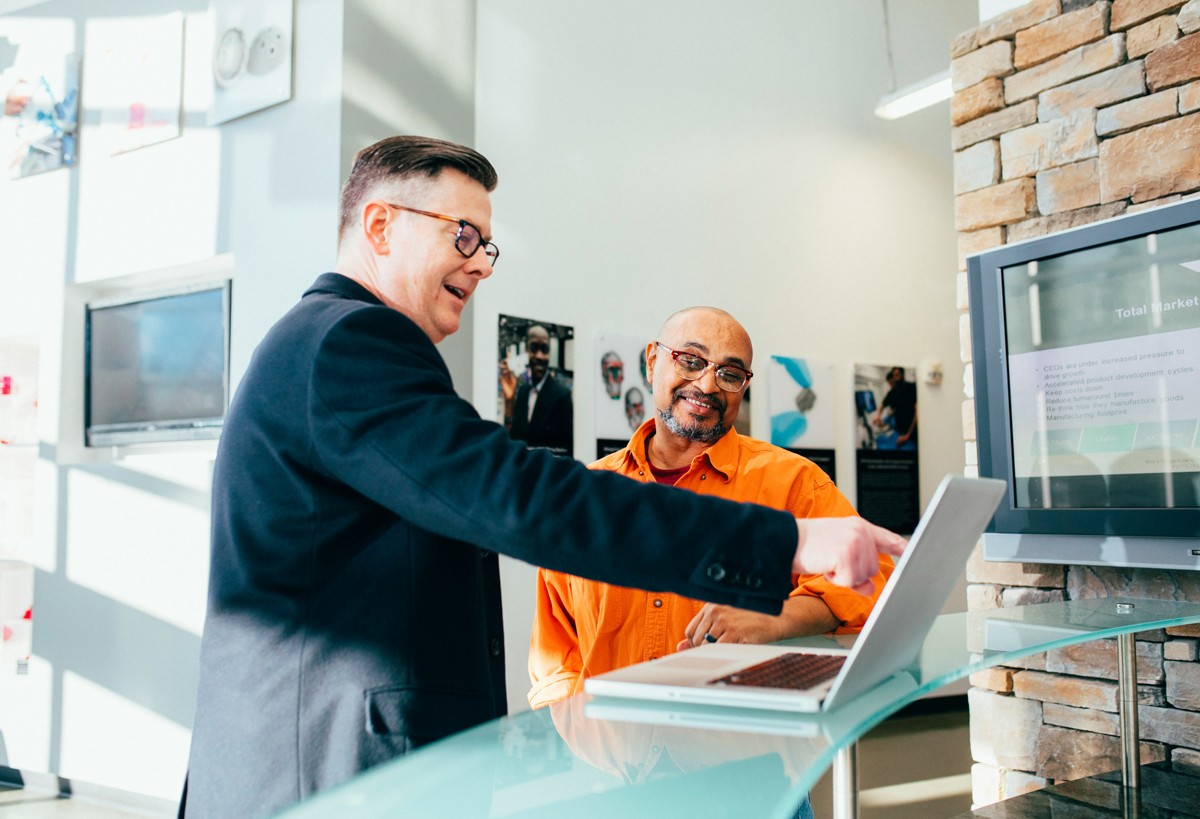
Altival facilitator in a consulting session with a manager, an on-site exchange at the company

Consulting & Assessment

Before we begin training, we assess. Every organization is unique, and our assessment creates a training program tailored to what you’re experiencing.

Analysis of current practices

Identifying areas for improvement

Quantified and prioritized action plan

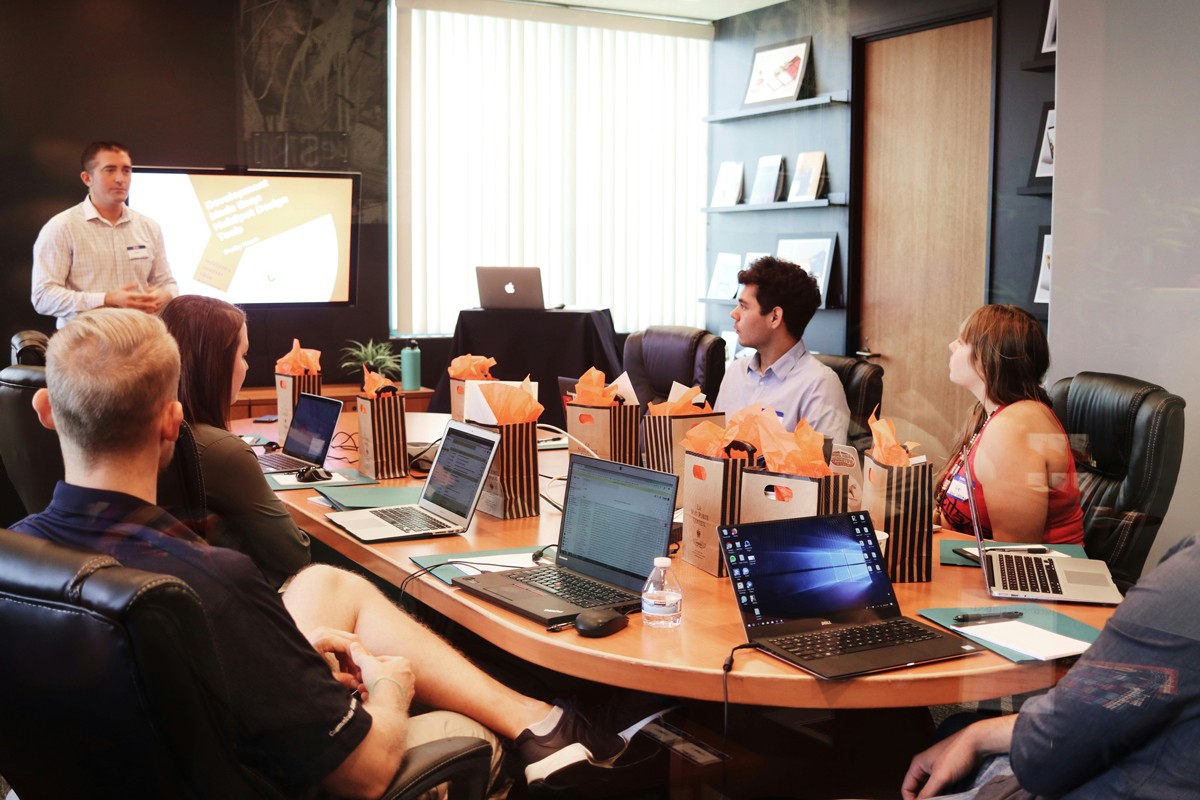
Altival in-person training session, group of colleagues in a meeting room

Tailored training

Co-designed with your teams. Led by experts who understand your industry. 80% hands-on practice, 0% generic content.

Co-design with your HR and operations teams

Exclusive, proven methods

Flexible formats: in-house, in person, remote

One-on-one support from an Altival expert, coaching in the workplace

Follow-up & Reinforcement

The true measure of a training program is what happens three months later. Altival stays with you every step of the way.

Individual and group post-training sessions

Impact measurement at 3 and 6 months

Regular check-ins with managers

OUR METHOD

Three levers.

Sustainable results

Before we train, we analyze. After the training, we measure.
The true measure of a training program is what happens three months later.

Altival facilitator in a consulting session with a manager, an on-site exchange at the company

Consulting & Assessment

Before we begin training, we assess. Every organization is unique, and our assessment creates a training program tailored to what you’re experiencing.

Analysis of current practices

Identifying areas for improvement

Quantified and prioritized action plan

Altival in-person training session, group of colleagues in a meeting room

Tailored training

Co-designed with your teams. Led by experts who understand your industry. 80% hands-on practice, 0% generic content.

Co-design with your HR and operations teams

Exclusive, proven methods

Flexible formats: in-house, in person, remote

One-on-one support from an Altival expert, coaching in the workplace

Follow-up & Reinforcement

The true measure of a training program is what happens three months later. Altival stays with you every step of the way.

Individual and group post-training sessions

Impact measurement at 3 and 6 months

Regular check-ins with managers

OUR METHOD

Three levers.

Sustainable results

Before we train, we analyze. After the training, we measure.
The true measure of a training program is what happens three months later.

Altival facilitator in a consulting session with a manager, an on-site exchange at the company

Consulting & Assessment

Before we begin training, we assess. Every organization is unique, and our assessment creates a training program tailored to what you’re experiencing.

Analysis of current practices

Identifying areas for improvement

Quantified and prioritized action plan

Altival in-person training session, group of colleagues in a meeting room

Tailored training

Co-designed with your teams. Led by experts who understand your industry. 80% hands-on practice, 0% generic content.

Co-design with your HR and operations teams

Exclusive, proven methods

Flexible formats: in-house, in person, remote

One-on-one support from an Altival expert, coaching in the workplace

Follow-up & Reinforcement

The true measure of a training program is what happens three months later. Altival stays with you every step of the way.

Individual and group post-training sessions

Impact measurement at 3 and 6 months

Regular check-ins with managers

OUR METHOD

Three levers.

Sustainable results

Before we train, we analyze. After training, we measure. The true measure of a training program is what happens three months later.

Altival facilitator in a consulting session with a manager, an on-site exchange at the company

Consulting & Assessment

Before we begin training, we assess. Every organization is unique, and our assessment creates a training program tailored to what you’re experiencing.

Analysis of current practices

Identifying areas for improvement

Quantified and prioritized action plan

Altival in-person training session, group of colleagues in a meeting room

Tailored training

Co-designed with your teams. Led by experts who understand your industry. 80% hands-on practice, 0% generic content.

Co-design with your HR and operations teams

Exclusive, proven methods

Flexible formats: in-house, in person, remote

One-on-one support from an Altival expert, coaching in the workplace

Follow-up & Reinforcement

The true measure of a training program is what happens three months later. Altival stays with you every step of the way.

Individual and group post-training sessions

Impact measurement at 3 and 6 months

Regular check-ins with managers

Assessment & certification

Altival is Qualiopi-certified — Training Programs

Midway through and at the end of the training program

Assessment of skills gained through real-life scenarios and structured self-assessment

By day 30

Follow-up questionnaire to measure how learning transfers to real-world situations, sent to the manager and the participant

At the end of the training

Issuance of a certificate of completion and a certificate of attendance that meet Qualiopi requirements

Your questions,
our answers

Who is this training for?

Is the training program suitable for new managers?

Do participants leave with practical tools they can use right away?

What results can we expect quickly?

Not a quote.
A conversation.

In 30 minutes, we understand your challenges and shape a tailored solution together. Our clients often say it’s the most useful conversation in their selection process.

Response within 24 business hours

No commitment

An expert team listening to you

Request an interview

Data not shared

Request an interview

Data not shared